
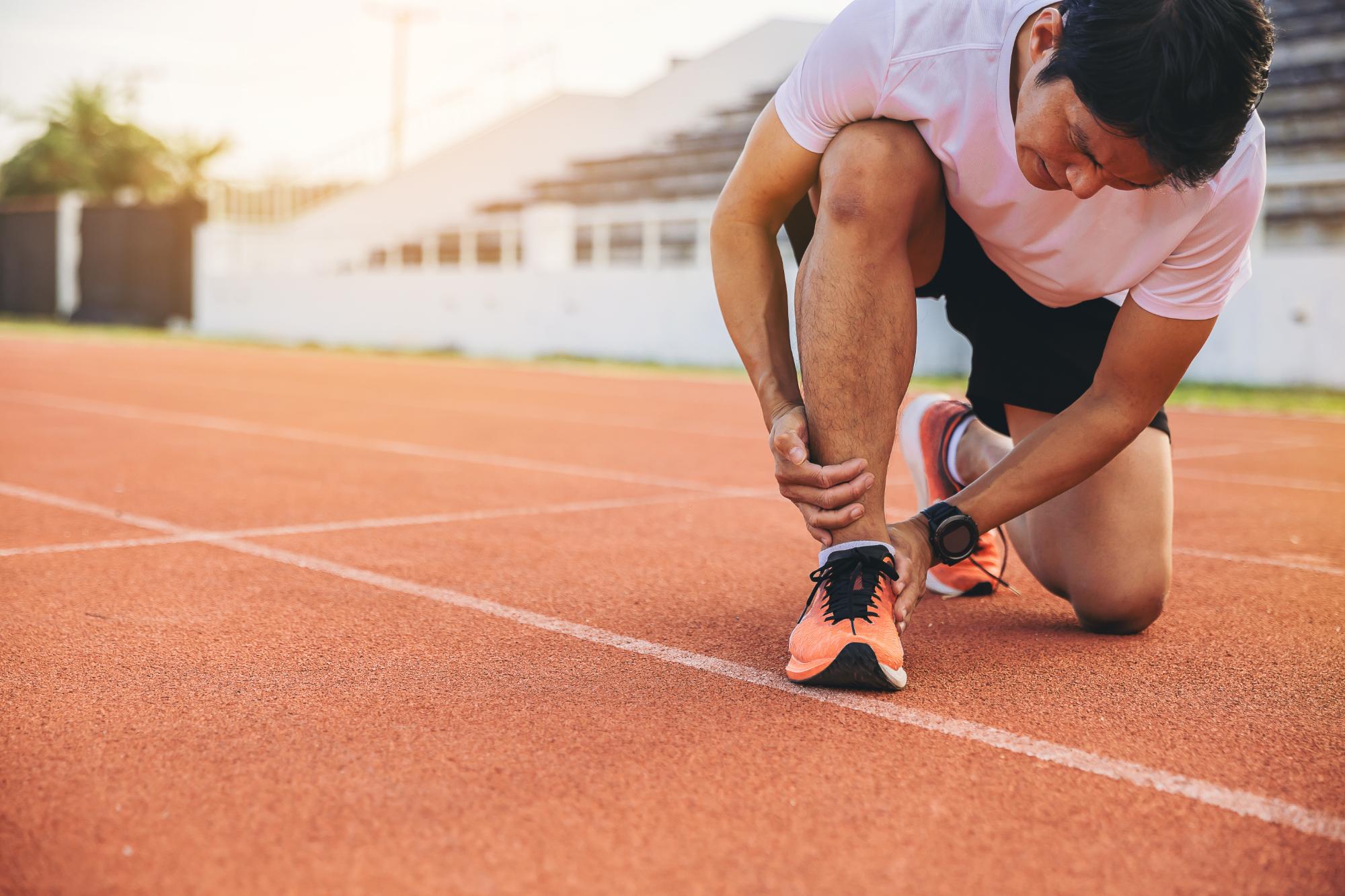
Justin Shaginaw PT, DPT, LAT, ATC, a GSPP Rehabilitation physical therapist and former athletic trainer for the U.S. men’s soccer team, chatted with the Washington Post about a new way to treat sprains and strains.
Columnist Gretchen Reynolds tapped experts from around the country to talk about how new evidence suggests the long-held approach of RICE (Rest, Ice, Compression and Elevation) may not speed up recovery:
Any delay in healing in people is probably slight, though, said Justin Shaginaw, a physical therapist with Penn Medicine | Good Shepherd Rehabilitation Outpatient Therapy in Philadelphia and former athletic trainer for the U.S. men’s soccer team. “If pain is significant enough, and ice helps,” he said, “use it.”
Immobility, research suggests, could impact strength and flexibility at a key time, Shaginaw and other experts shared:
But immobility causes rapid loss of muscle mass and tendon and ligament strength, Baar said, not only around the injured area but in the rest of the limb. When his group attached 3D-printed casts to rodents’ legs to keep them still, the animals began losing muscle mass within days.
This decline happens in part because immobility stills the biochemical signals that otherwise stream through muscle cells with every contraction, cuing the cells to adapt and grow stronger, Esculier said.
The more strength and flexibility you lose with immobility, “the longer it takes to fully recover,” Shaginaw said.
As with any injury, please consult with your doctor.
Read the full Washington Post story.